
I. Simdroid Multi-Physics Simulation Platform
A. Product Overview
Simdroid is a self-developed next-generation multi-physics simulation platform (Figure 1), adopting a "PaaS platform + APP application" model, providing a unified graphical interactive modeling, simulation, and development environment. The platform has complete simulation capabilities for four major physical fields: structure, fluid, electromagnetic, and thermal, enabling engineers to conveniently complete modeling, simulation, and APP development packaging tasks.
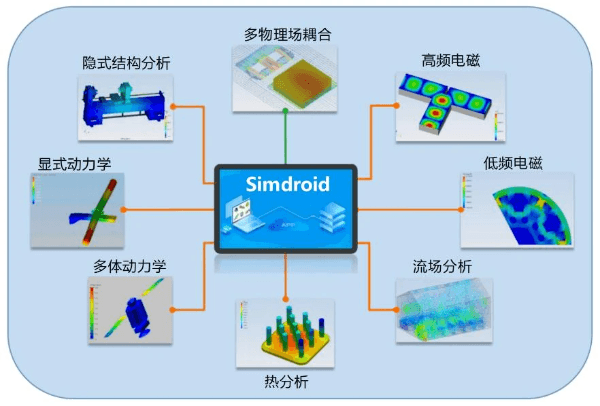
Figure 1. Simdroid Multi-Physics Simulation Platform Functional Architecture
B. Core Functional Modules
a. Preprocessing
i. CAD Modeling: Fully parametric 2D/3D modeling, supporting STEP/IGES import, with complete editing functions such as Boolean operations, arrays, and fillets/chamfers.
ii. MeshGeneration:Supports fully automatic tetrahedral, mapped hexahedral, and swept hexahedral/prism meshing, with mesh assembly and fine-control capabilities.
b. Solver Matrix
i. Structural Mechanics: Implicit Static/Dynamic/Buckling/Harmonic Response/Stochastic Vibration, Explicit Dynamics, Multi-body Dynamics (Rigid-Soft Coupling)
ii. Electromagnetics: Low Frequency (Electrostatic/Magnetostatic/Time-Harmonic/Transient/Field-Circuit Coupling), High Frequency (Radiation Scattering/Wave-guide/Antenna/EMC)
iii. Fluid Mechanics: Steady State/Transient, Laminar/Turbulent (k-ε, k-ω SST), Single-Phase/Multi-Phase Flow (VOF, Eulerian Method), Heat Transfer, MRF Rotation
iv. Thermodynamics: Steady-State/Transient Heat Conduction, Convection, and Radiation Analysis
c. Post-Processing
i.Electromagnetics: Low Frequency (Electrostatic/Magnetostatic/Time-Harmonic/Transient/Field-Circuit Coupling), High Frequency (Radiation Scattering/Wave-guide/Antenna/EMC)
ii. Animation display and video export, slicing and transparent observation, stress linearization, and other data processing
C. Multi-Physics Field Coupling Capability
Simdroid supports unidirectional and bidirectional coupling between various physical fields, covering mainstream engineering coupling scenarios:
a. Fluid-Thermal Coupling: Thermal Analysis of Electronic Products
b. Electromagnetic-Thermal Coupling: Calculation of temperature rise in electrical equipment
c. Electromagnetic-Fluid-Thermal Three-Field Coupling: complex scenarios such as high-pressure casings and rice cookers
d. Thermal-Structural Coupling: Thermal Stress Analysis of Storage Tanks
D. Simulation APP Development
The platform provides a no-code simulation APP development tool, supporting the encapsulation of simulation processes into standardized APPs, enabling the accumulation and reuse of simulation knowledge. It supports Python script development and SDK extensions, can be compiled into standalone programs, and supports cloud deployment (Figure 2).
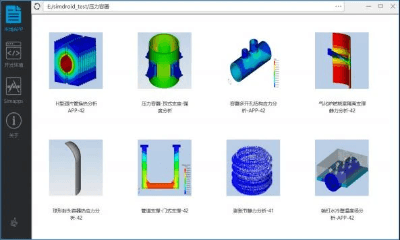
Figure 2. Simdroid Simulation APP Development and Cloud Operation Platform
E. Domestic Adaptation
a. Operating Systems: Windows 7/10, CentOS, Ubuntu, Kylin, etc.
b. Hardware Architecture: x86, ARM (Feiteng)
II. Simcapsule Cloud-Native Platform
Simcapsule is an industrial simulation software platform based on cloud-native technology, providing SaaS-based simulation capability output (Figure 3).
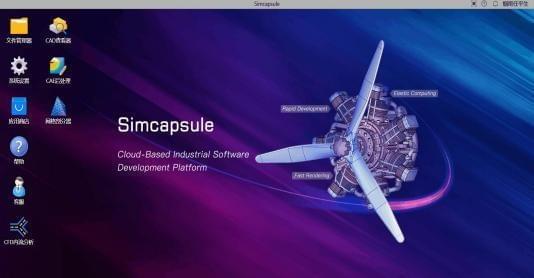
Figure 3. Simcapsule Cloud-Native Platform User Interface
A. Core Features
a. Basic Modules: Geometry, Mesh, Solver, Post-processing, Material Database, and Engineering Data Management
b. Online Simulation: Multidisciplinary online simulation modules for fluid, acoustics, structure, etc.
c. Deployment Method: Supports one-click deployment on private cloud
d. Scalability: Can integrate surrogate models and specialized algorithms, and open monitoring data interfaces
e. Access Method: Browser cross-terminal access; no client installation required; available anytime and anywhere
III. Application Scenarios and Solutions
A. Custom Software Development for Industries
Based on the Simdroid general platform, custom development of industry-specific simulation software is carried out in conjunction with industry scenario requirements. The general platform provides solving kernels and pre/post-processing technologies, while industry partners contribute domain knowledge and specialized algorithms to jointly create vertical industry solutions. Key industry modules:
a. Electronic Cooling: Simetherm electronic cooling simulation software, comparable to Flotherm, covers the full scale from chip to PCB to system to data center.
b. Building Doors and Windows: an intelligent simulation analysis system supporting multiple working conditions, such as wind pressure resistance, insulation, shading, ventilation, and impact.
c. LNG Storage Tanks: a finite element analysis system, a domestically produced alternative to ANSYS, encapsulating SLS/ULS multi-condition combined verification.
d. Electrochemical Simulation: electroplating, corrosion, electrochemical machining, supporting primary, secondary, and tertiary current distributions.
e. Acoustic Simulation (Figure 4): a cloud-based acoustic module supporting frequency response/modal analysis, audible output, with an error less than 3%.
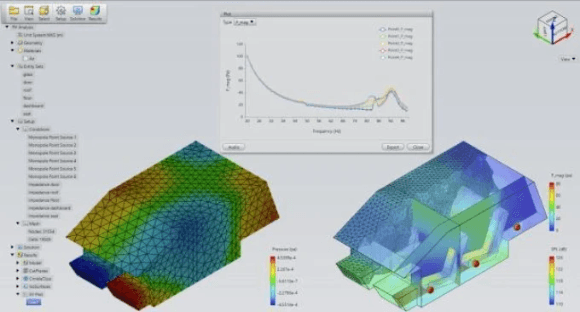
Figure 4. Cloud-Based Acoustic Simulation Software
f. Fatigue Analysis (Figure 5): high-cycle/low-cycle/multiaxial/random vibration fatigue, supporting correction algorithms such as Morrow and Goodman.
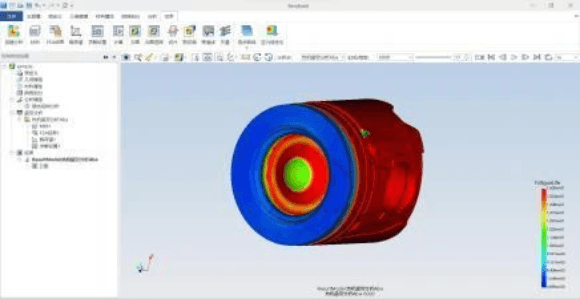
Figure 5. Fatigue Software Interface
g. Reliability Analysis: Monte Carlo sampling, supporting reliability evaluation of elements and systems with various distribution types.
h. Digital Heart (Figure 6): a cardiovascular hemodynamics simulation platform encapsulating patient-specific apps.
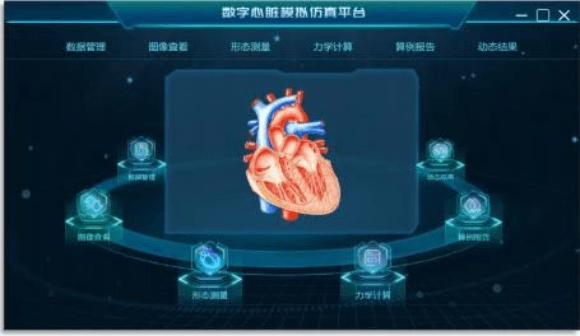
Figure 6. Digital Heart Simulation Platform Interface
B. Simulation System Construction (Platform + APP)
Adopting the "Platform + APP" model (Figure 7), solidifying and accumulating enterprise simulation knowledge and experience to form a standardized simulation system, lowering the threshold for simulation use, and enhancing R&D efficiency.
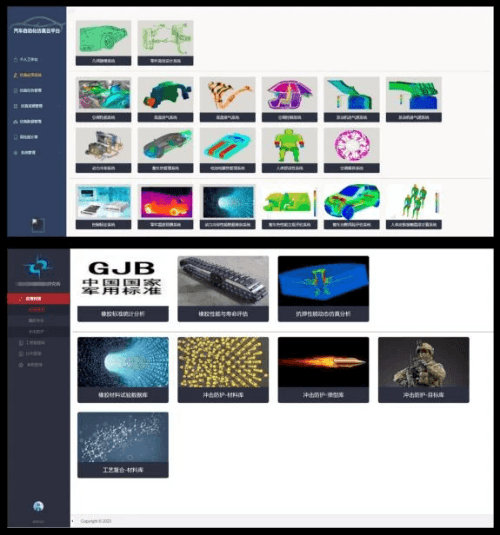
Figure 7. "Platform + APP" Simulation System Construction Model
i. Solidifying simulation processes, accumulating simulation models and knowledge
ii. Encapsulated as an easy-to-use app, lowering technical barriers, allowing non-simulation experts to use it
iii. Unified data management, flexible invocation methods
b. Typical Practices
i. Building Ventilation Thermal Management Platform (Figure 8): Achieving integration of "Design-Modeling-Simulation-Verification," shortening the design cycle
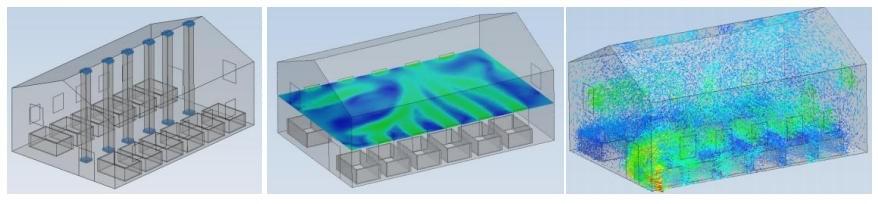
Figure 8. Interface of a High-Tech Aquaculture Company's Deployment and Simulation Platform
i. A Certain Power Equipment Platform (Figure 9): Simapp scheduling system + dedicated apps for transformers/wall bushings, etc., to achieve rapid equipment verification
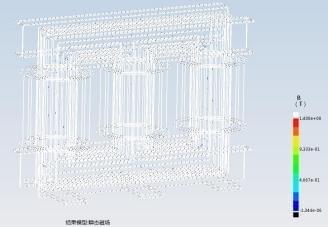
Figure 9. Specialized Tools for Power Equipment Simulation
C. Digital Twin Based on Simulation
a. System Architecture
The digital twin system consists of three layers: the bottom layer (data collection), the core layer (model center + data center), and the application end, achieving bidirectional interaction between the virtual and the real. The physical field mechanism model is a core feature that distinguishes it from purely data-driven twins.
b. Key Technology: Model Order Reduction (ROM)
By using machine learning to reduce the dimensionality of the full-order simulation model, it significantly enhances computational speed while ensuring accuracy, which is a key technology for achieving real-time simulation.
c. Typical Application Scenarios
i. Substation Digital Twin (Figure 10): Global monitoring, intelligent inspection, status assessment, fault warning, and real-time simulation
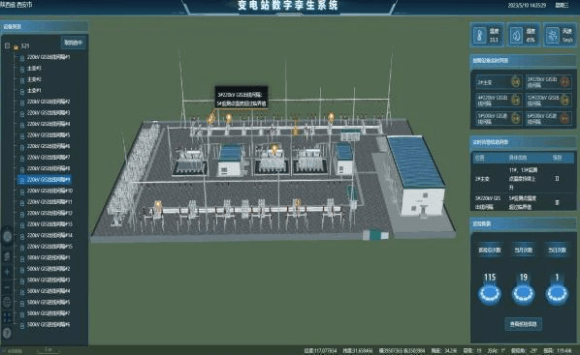
Figure 10. Substation Digital Twin System
ii. Digital Twin of Flexible Busbars (Figure 11): Driven by current/ambient temperature data, real-time temperature distribution, and operational status prediction
iii. Digital Twin of Power Cables: Real-time temperature calculation based on sensor data and full structural state visualization
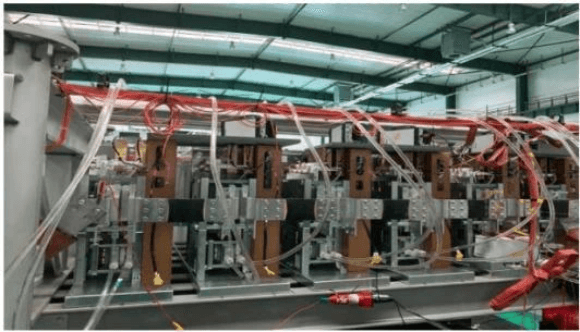
Figure 11. Layered Busbar Temperature Rise Test Experiment
iv. Digital Twin of Electric Evaporators: Full-process twin with a reduced-order model + thermal-hydraulic calculation + machine learning
v. Digital Experiment: Virtual simulation laboratory for tensile testing of metal materials, 3D scene + CAE calculation + physical linkage
IV. Typical Engineering Cases
A. Military Industry
Developing a series of specialized simulation apps for the unique needs of the military sector:
a. Rubber Material Life Prediction App: Integrates self-developed algorithms and supports online analysis
b. Equipment Ballistic Performance Simulation App (Figure 12): Numerical simulation support for equipment protection design
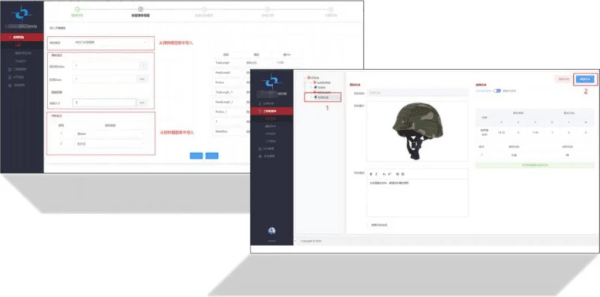
Figure 12. Armor Penetration Performance Simulation APP
c. Simulation Material Library APP (Figure 13): Military Material Parameter Database
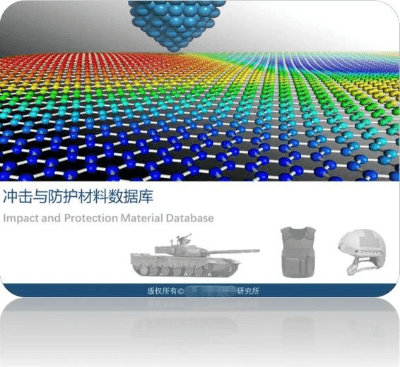
Figure 13. Impact and Protection Material Database
B. Electromagnetic Analysis
a. Rotating Motor: Electromagnetic analysis of the three-phase induction motor, with a relative error compared to commercial software of less than 1%, and comparable computational efficiency
b. Three-Phase Transformer: Core loss calculation error of -1.36%, supports automatic fitting of B-H/B-P curves
c. Electromagnetic Relay: Electromagnetic torque calculation difference of 1.25%, supports spring design and temperature rise assessment
d. Falling Permanent Magnet (Motion Electromagnetics): Validates the accuracy of linear motion + periodic boundary solution, with speed/electromagnetic force curves highly consistent with commercial software
C. Structural Analysis
a. BGA Chip Solder Joint Thermal Cycle: Viscoelastic Anand constitutive model, examining solder ball stress-strain and creep
b. Hydraulic Joint Sealing Ring: Mooney-Rivlin hyperelastic material, simulating deformation under sealing stress
c. PCB Random Vibration: Precise local mesh control to assess the vibration stress of the solder joint array
d. Vibration Fatigue of Aerospace Motors: Free flight/hanging flight conditions, fatigue life analysis considering temperature loads
D. Multi-Physics Coupling
a. High-Pressure Wall Penetration Sleeve (Electromagnetic-Flow-Thermal Three-Field Coupling)
After the initial solution of the electromagnetic field is frozen, heterogeneous mesh data are transferred to achieve efficient three-field coupling calculations, including multiple components such as epoxy sleeves, aluminum conductive rods, and SF6 gas.
b. IH Rice Cooker Multi-Field Coupling
Electromagnetic-Fluid-Temperature coupling, compiled into independent simulation software. Compared to tests, the steady-state error is <2%, and the computational efficiency is better than mainstream commercial software (7.8 min vs 11.4 min).
c. Other Coupling Cases
i. Optical Fiber Drawing Furnace: Three-field coupling, electromagnetic field frozen solution, temperature field error <5%
ii. Transformer Thermal Flow + Aging: flow-thermal coupling + insulation paper polymerization degree (DP) aging assessment
iii. Electromagnetic-Force Coupling of the Transformer: analysis of coil displacement and node forces, study of supporting vibration noise